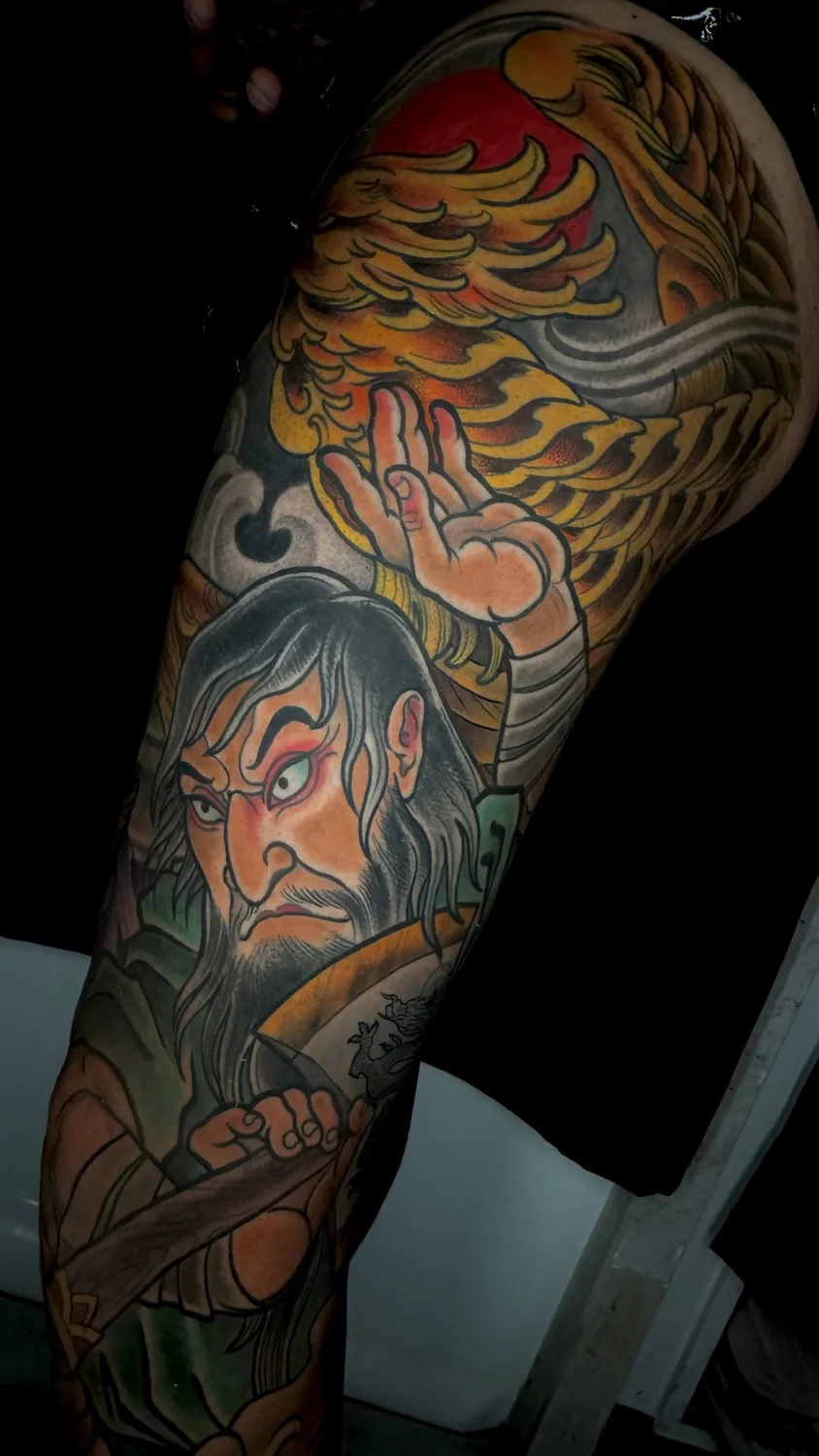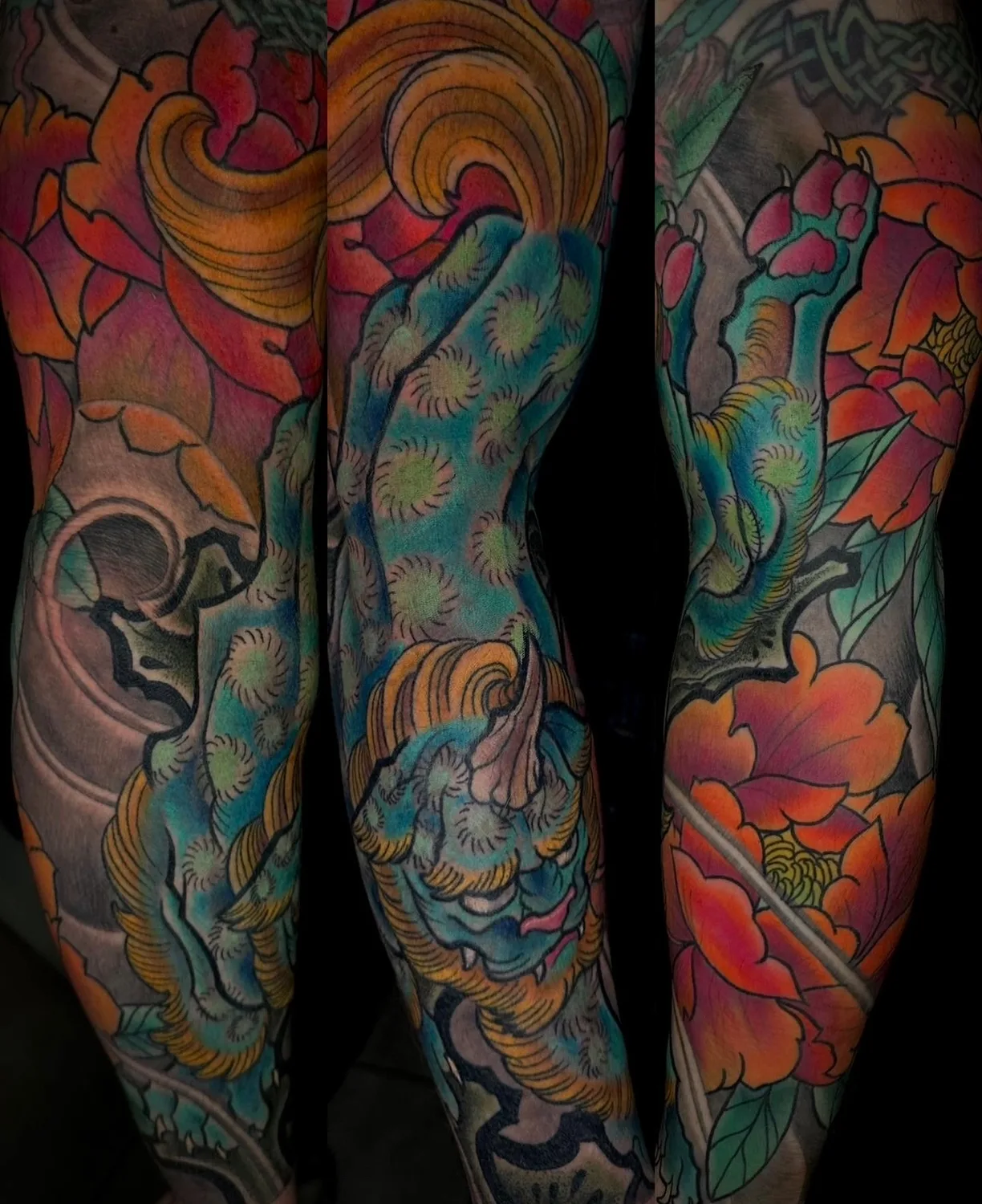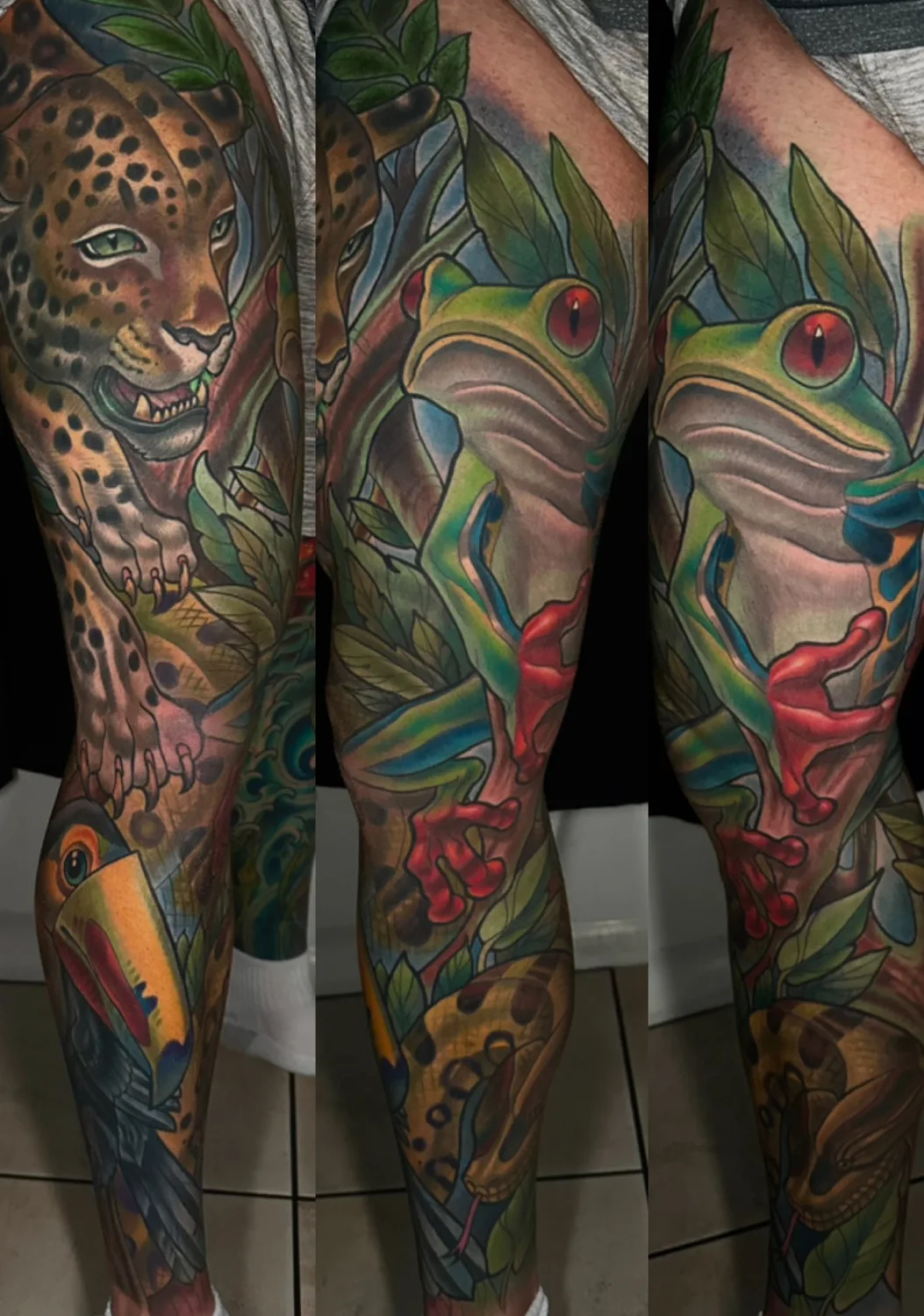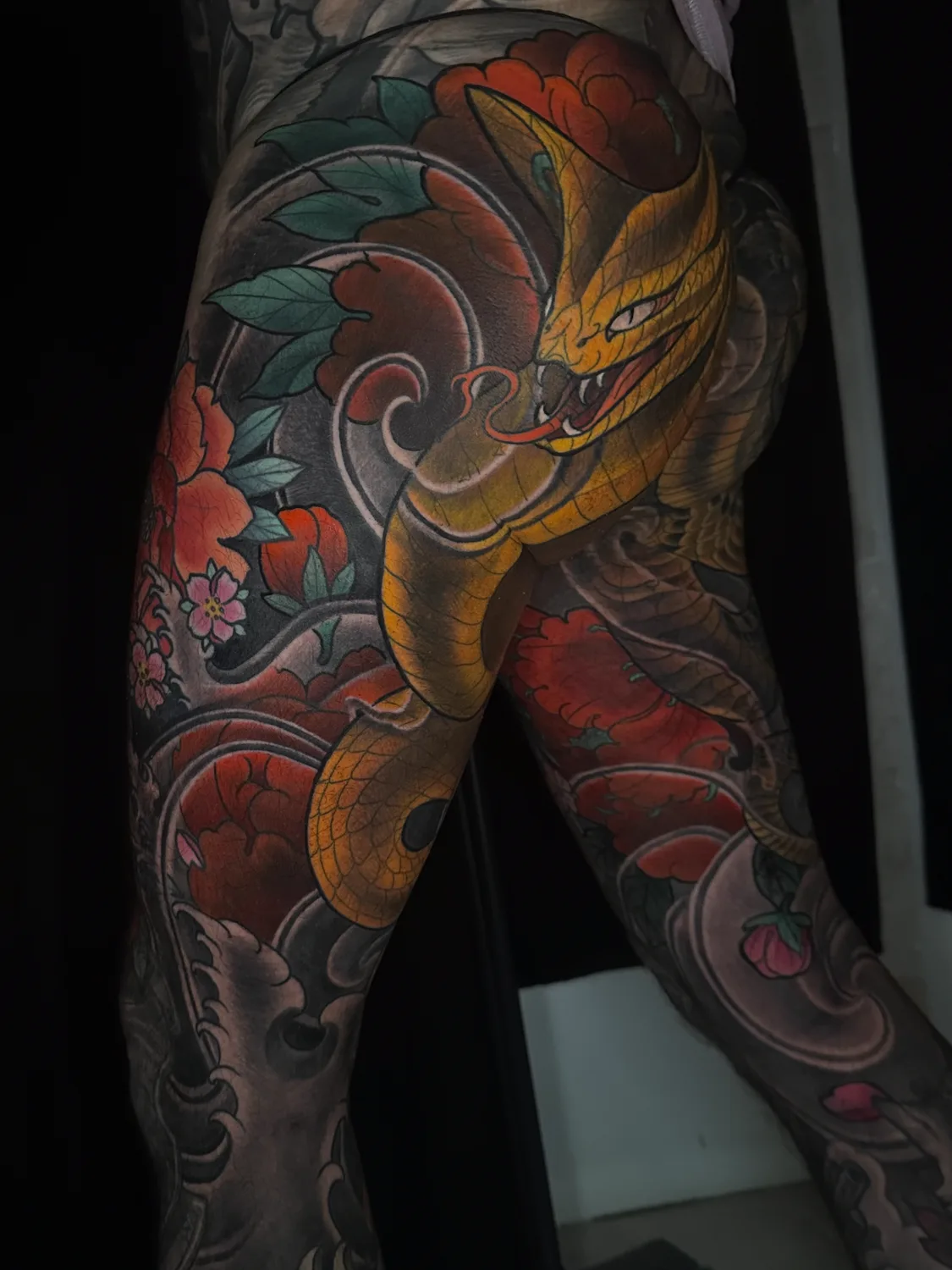
For as long as I've been tattooing, people have asked me who the best tattoo artist is — or who I think is the best. It's a nearly impossible question to answer, because all art is subjective. That said, there are a few universal truths about tattooing.
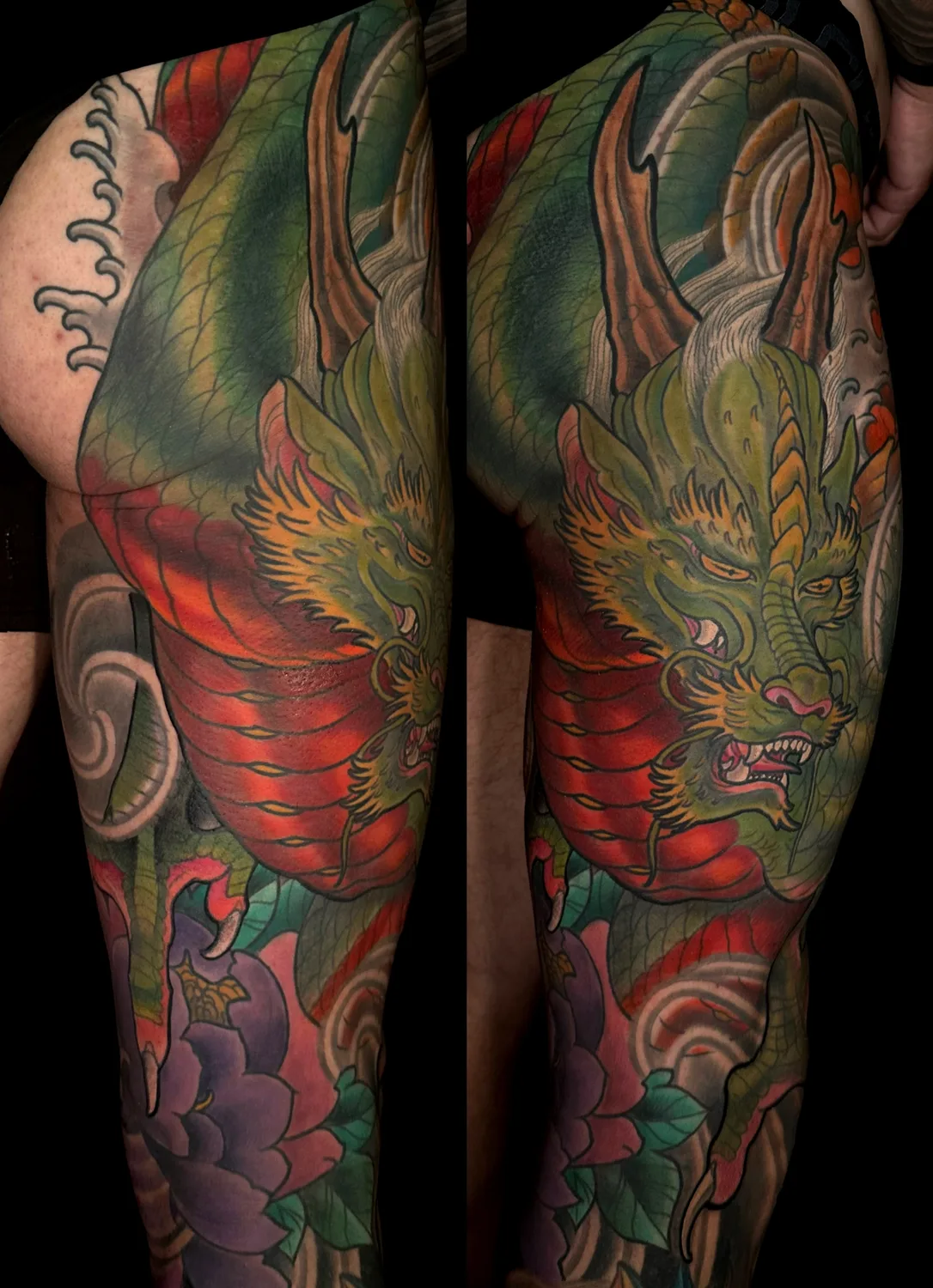
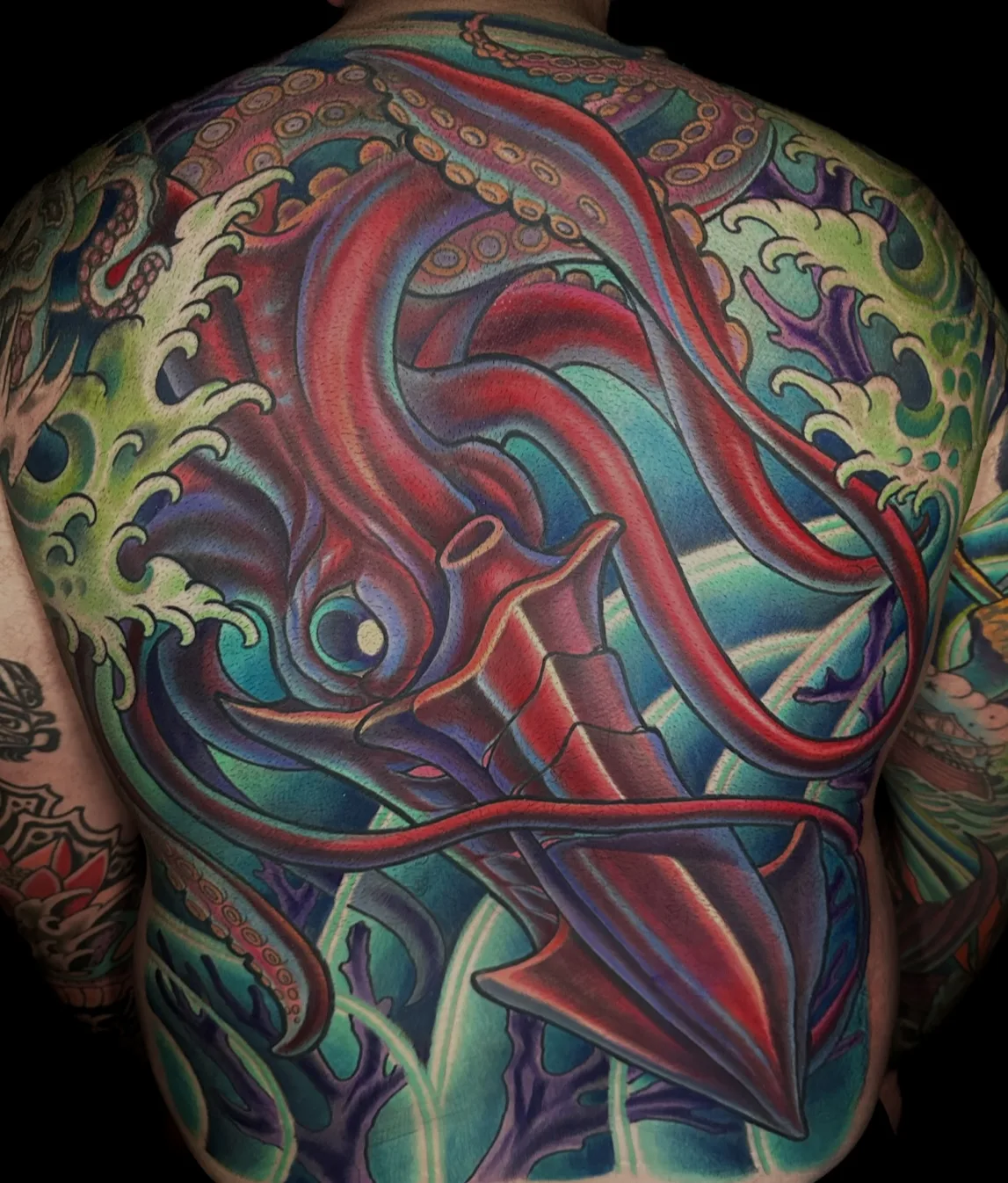
The four things I look for when I hire a tattoo artist — or when I judge whether someone is good in my eyes — are these. Can they draw well? Are their tattoos technically well done? Will those tattoos age well? And, maybe most important of all, do their designs flow and work with the body?
1. Can they draw — really draw?
Drawing well, to me, means a range of disciplines. There are the obvious foundations: a solid understanding of value, hue, and structure; a decent grasp of anatomy and perspective; the ability to render light using real light logic. That's step one of being a good draftsman — can a person sit down and reasonably draw the thing in front of them, transferring what they see onto paper through all of those disciplines?
But that alone doesn't make a great artist. It's something like the difference between playing cover songs and writing music. One person plays music; the other makes it. Art is the same. I want the artist who can make the thing, not just copy it.
I can't stress enough how important it is for an artist to draw from life — still lifes, figures, animals, nature, landscapes, portraits, cityscapes. All of it shapes a well-rounded artist. But if they can't retain enough of that information as a mental library — a backlog of reference they can invent and design from freely — they aren't who I look for. For me, drawing well is far more than duplication. It's the ability to world-build, to create, to invent, and to inject their own mind into the work.
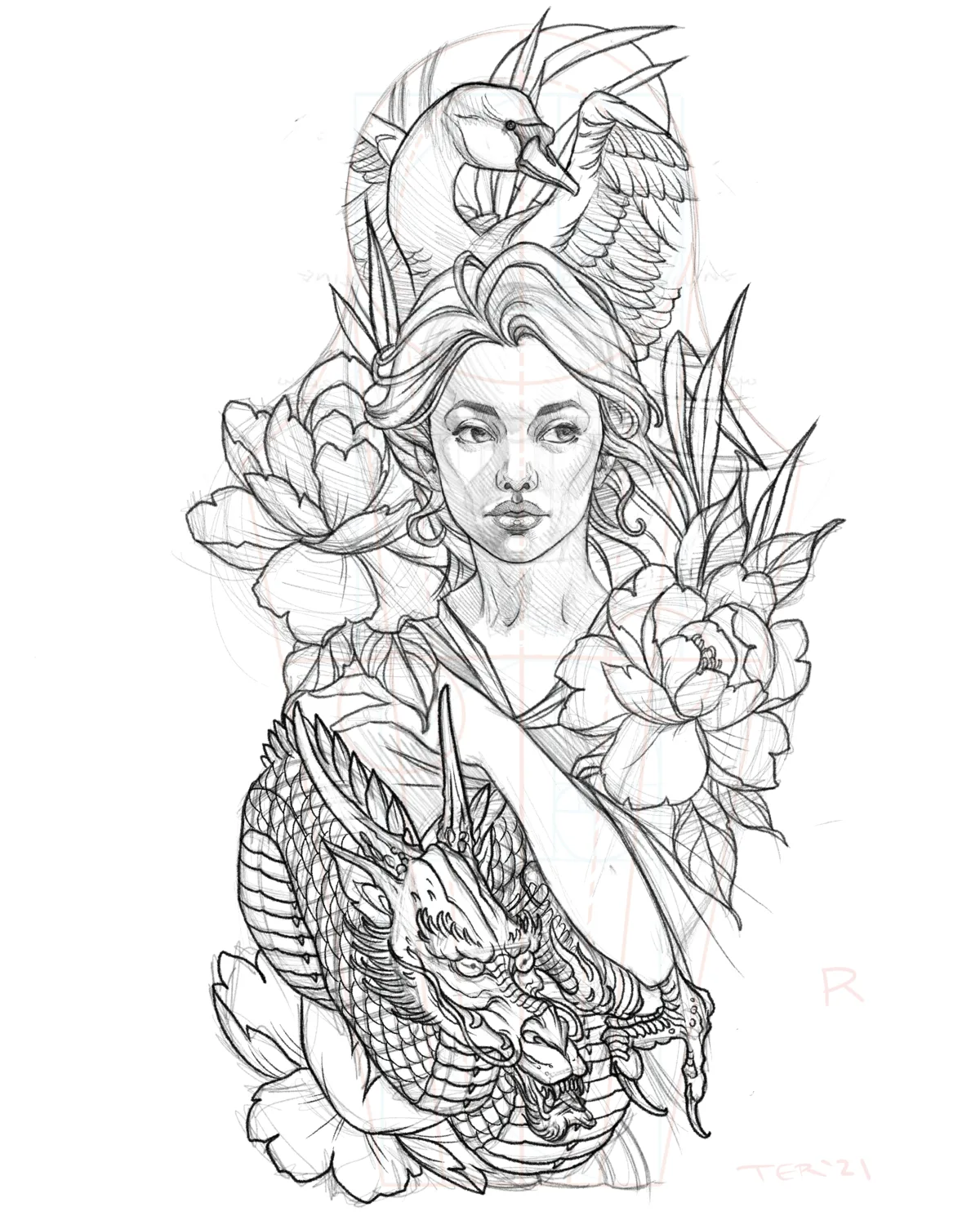
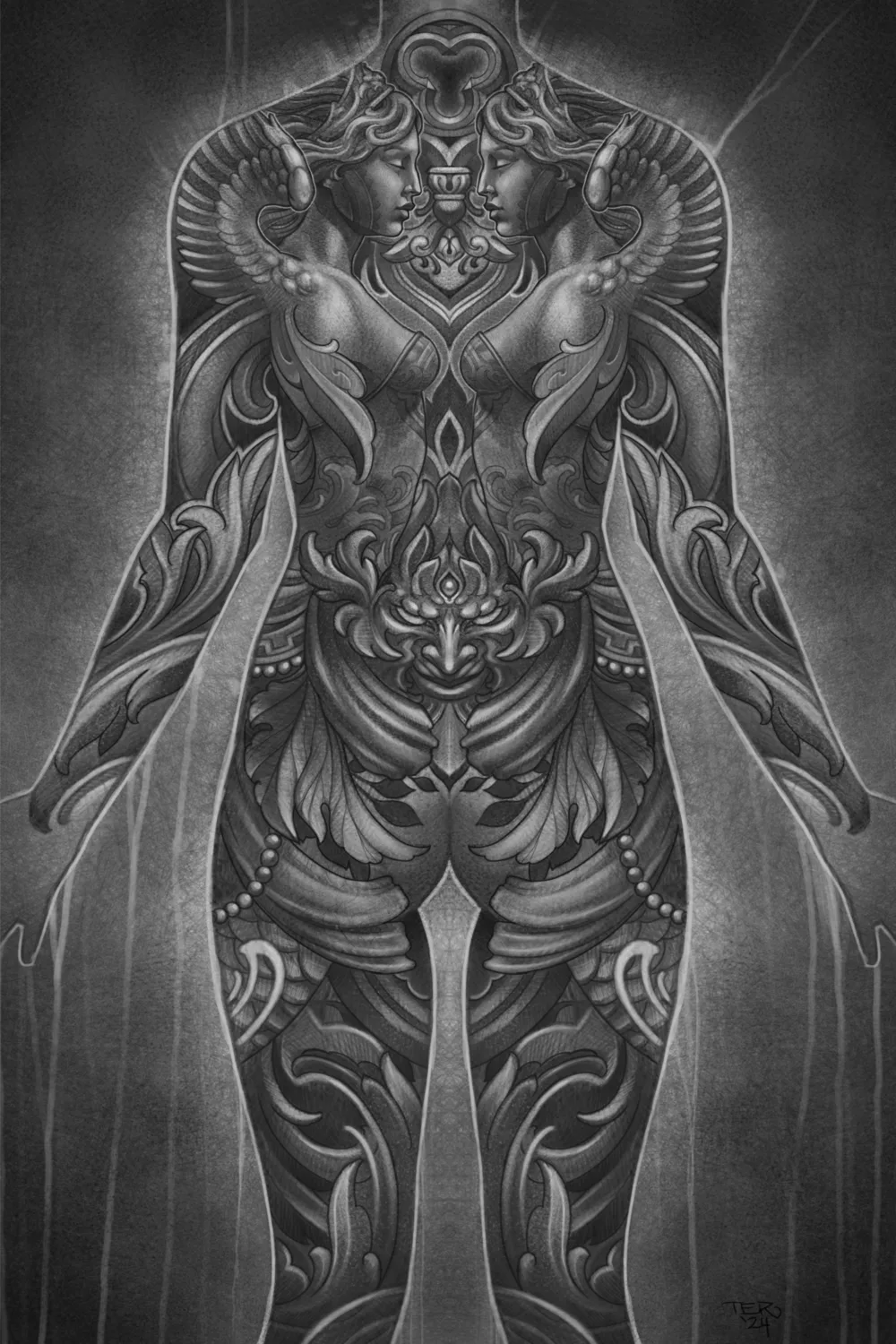
Plenty of "artists" can copy. That's the very first thing every artist needs to learn, and to revisit often — it builds skill, competence, and speed. And any artist worth looking at uses reference as a guide during their process. But at some point you have to abandon it. You have to sketch, create, and do the real design work free of the reference — not married to it, just anchored by the good structure it taught you. After that, you put your own voice into it.
So when I look at an artist I admire, I want to see their work and know it's theirs. I can identify it among a hundred others. Otherwise, it's just replication.
2. Is the tattoo technically well done?
A tattoo that's technically well done should be obvious: clean, consistent lines; solid, even color; smooth transitions; smooth grey. It looks clean, tidy, and professional. This one should be self-explanatory.
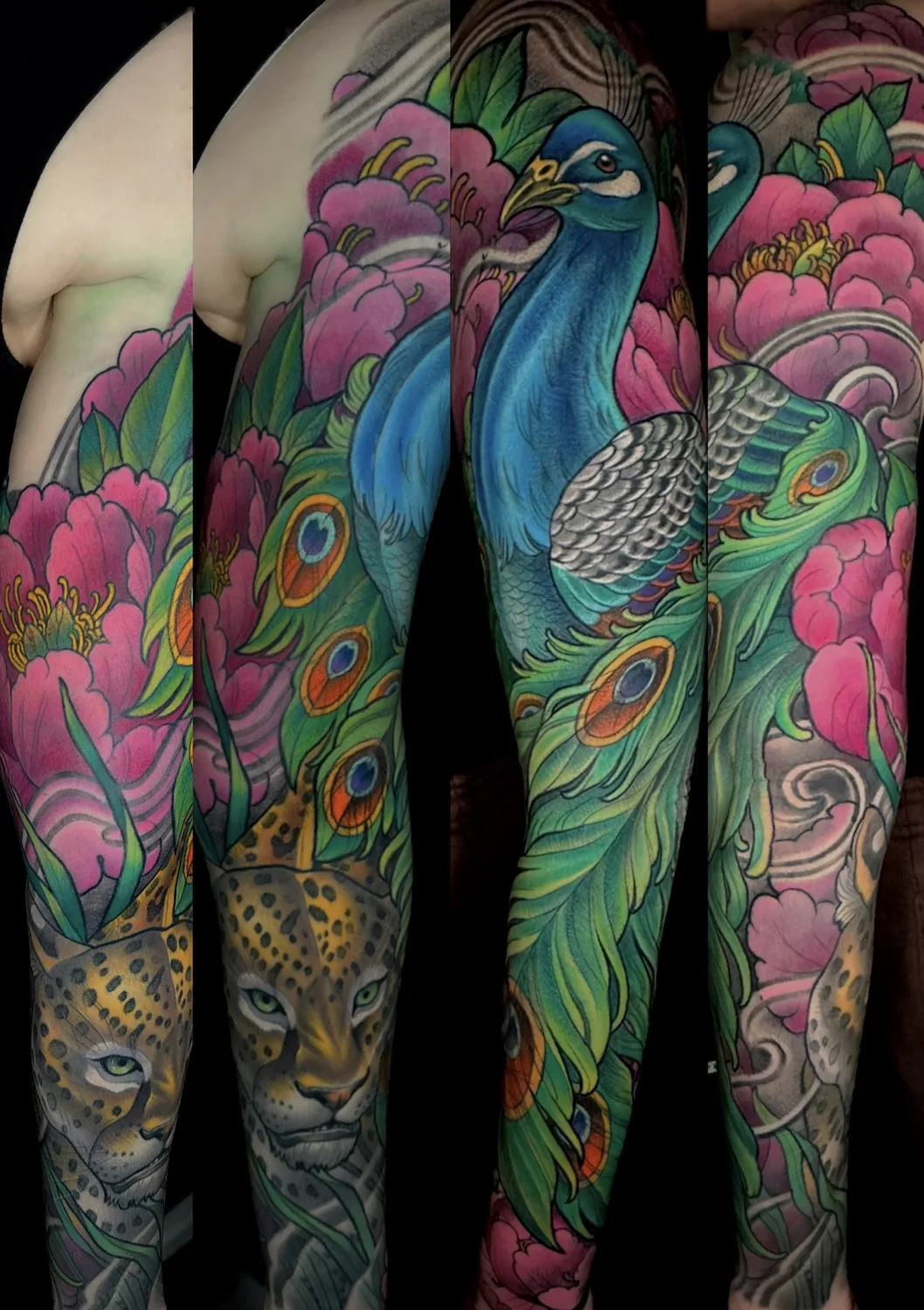
That said, tattoos are made by hand, on living skin. People move. They have stretch marks, wrinkles, thick skin, thin skin, and bone. A tattoo is not a digitally made vector printed by a laser. But the overall result should still carry a clean, professional appearance. If a tattoo has more inconsistencies than not, I'd skip the artist.
And here's the single most useful thing you can do as a client: look at healed photos, not fresh ones. A tattoo shot the day it's done is at its absolute peak — crisp, saturated, still swollen and shining under the light. That is not what it looks like a year later.
Ask any artist to show you work that's healed and settled, ideally pieces that are a few years old. That is the real test of whether they understand how ink lives in skin over time. If someone only ever posts fresh, glossy, day-of shots, ask yourself why.
3. Will it age well?
Will the tattoo age well? There's no debate here for me. If a tattoo artist can't take this into account, they are not a good tattoo artist — no matter how well they draw, replicate, or apply a tattoo. This is fundamental to making a tattoo.
Tattoos need size. They need black, and they need a clean, easy-to-read silhouette. If I can't understand a design graphically — if I can't make sense of it from across a room — the tattoo is a failure.
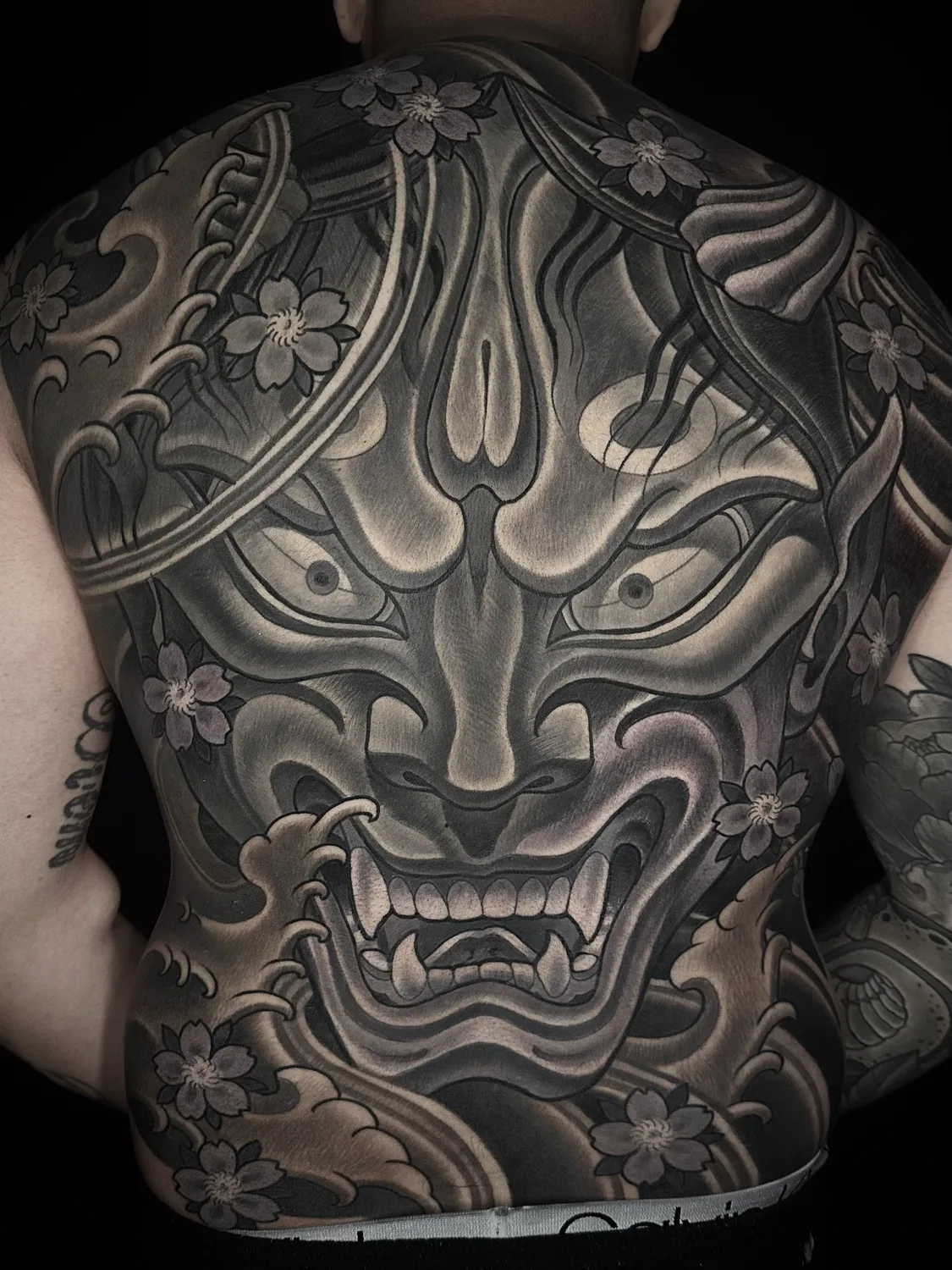
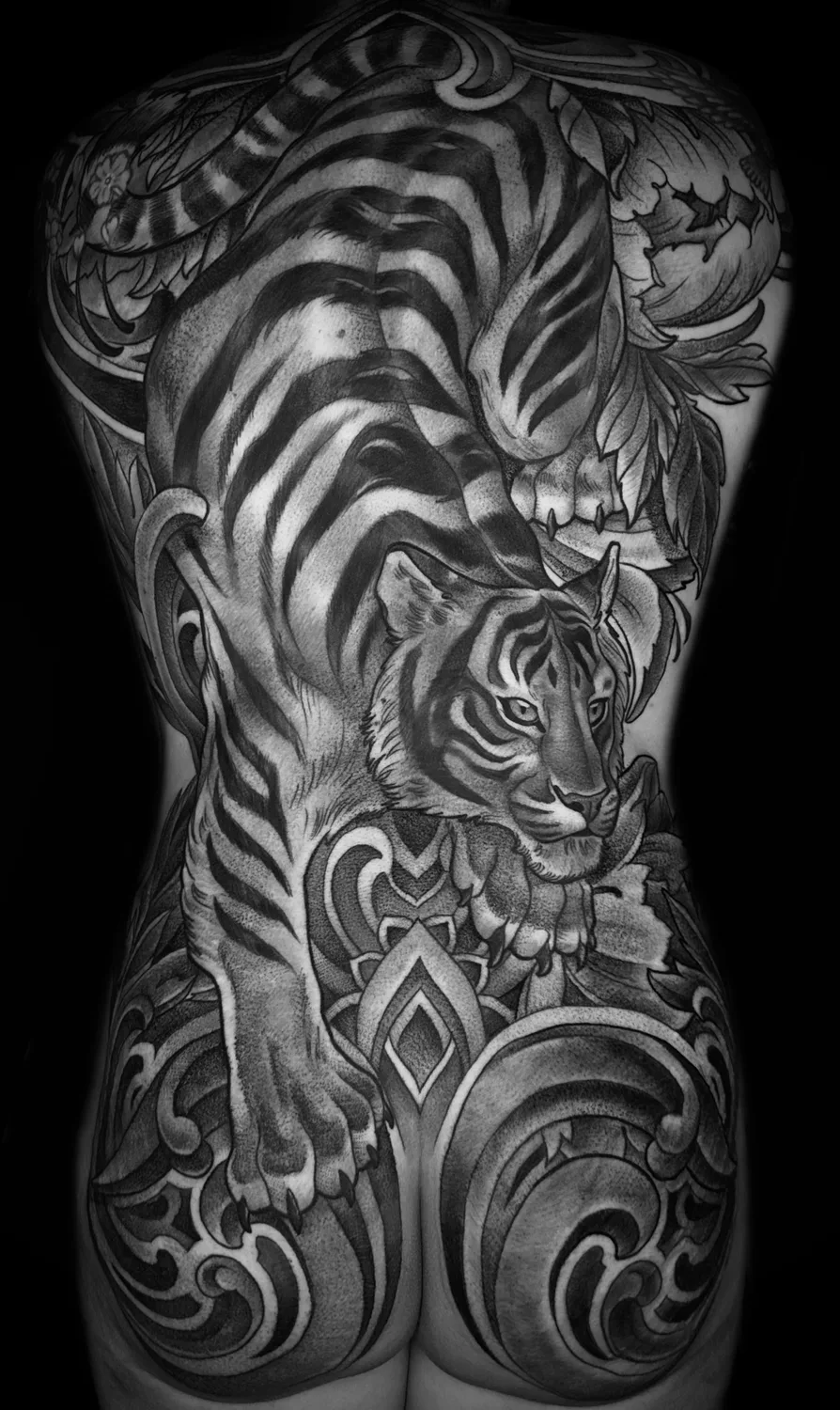
Tattoos need black lines. Most of the linework should be black, spaced appropriately. If a tattoo is small, it needs to be bold, legible, and easy to read. The return of fine-line tattooing is, in my opinion, the second-worst thing to happen to tattooing — right after full-color realism. They tend to suffer from the same problem: no consideration for the medium, or for the fact that people age, skin ages, and the sun exists. All of it affects a tattoo. Tattoos take time, and time takes tattoos — especially when the work was done too small, too complicated, with not enough black, or too much black packed into a small space.
A good rule of thumb for any tattoo: make it bigger, and cut the waste. A good tattoo doesn't need everything you've ever wanted to say. And if you aren't ready for a full sleeve, to start that body suit, or you just don't want a huge tattoo — that's fine. It's not for everyone. But if you're going to get a tattoo, get it done correctly.
When a tattoo lacks black lines, a black shading foundation, open space, and a clear graphic silhouette, it will read poorly soon after it heals — and after a few years it will turn into a mess. There is no way around this reality. There is no new technique, no secret knowledge, no young artist "breaking the rules" that changes it. Good tattoos are bold. If you don't like that, don't get them — unless you want to be a candidate for laser removal, cover-ups, and regret.
Part of this is about space, and part is about pigment. Black ages better than any other pigment in tattooing. Blue and green hold up well over time, though they behave differently as outlines. Red, orange, yellow, brown, and most warm and pastel colors get absorbed by the body and faded by the sun the fastest. An orange outline today will most likely be nothing in ten to twenty years. There are always exceptions — but that's the thing about exceptions: they're exceptions, not the rule.
So those thin, delicate, wispy, pastel, super-soft tattoos look lovely in a photo, and then time does what time does. Over the years I've covered or reworked more tattoos done too delicately — by the most famous of the famous in these styles — than I can count. I have a hard-line opinion on this. After 25 years surrounded by tattoos, you cannot convince me otherwise, and neither can most career tattooers. The only ones who argue differently usually haven't tattooed long enough, and I'm honestly exhausted by listening to them justify — or flat-out lie about — things they don't yet understand.
If you want lettering, anything smaller than a half-inch square is too small — and even that is pushing it. If you want a face, anything smaller than a closed fist is probably too small, or would have to be drawn so simply and cartoonishly that you might not want it anymore. This is exactly why traditional American tattooing is done the way it is. It's the best solution for small, complicated shapes: make it clunky, bold, and a little cartoonish, and it will hold. Size gives us the room for detail and rendering.
4. Does it fit the body?
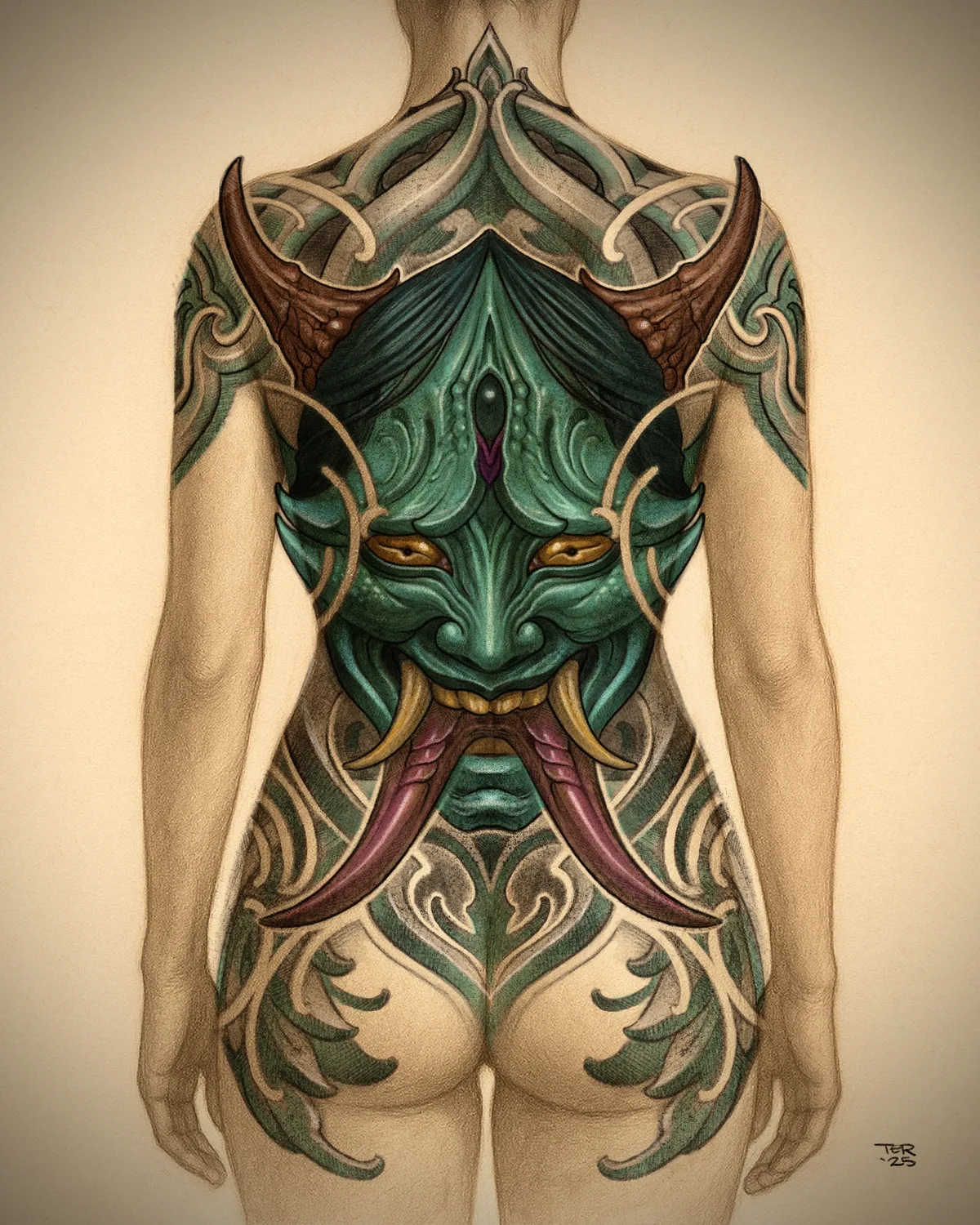
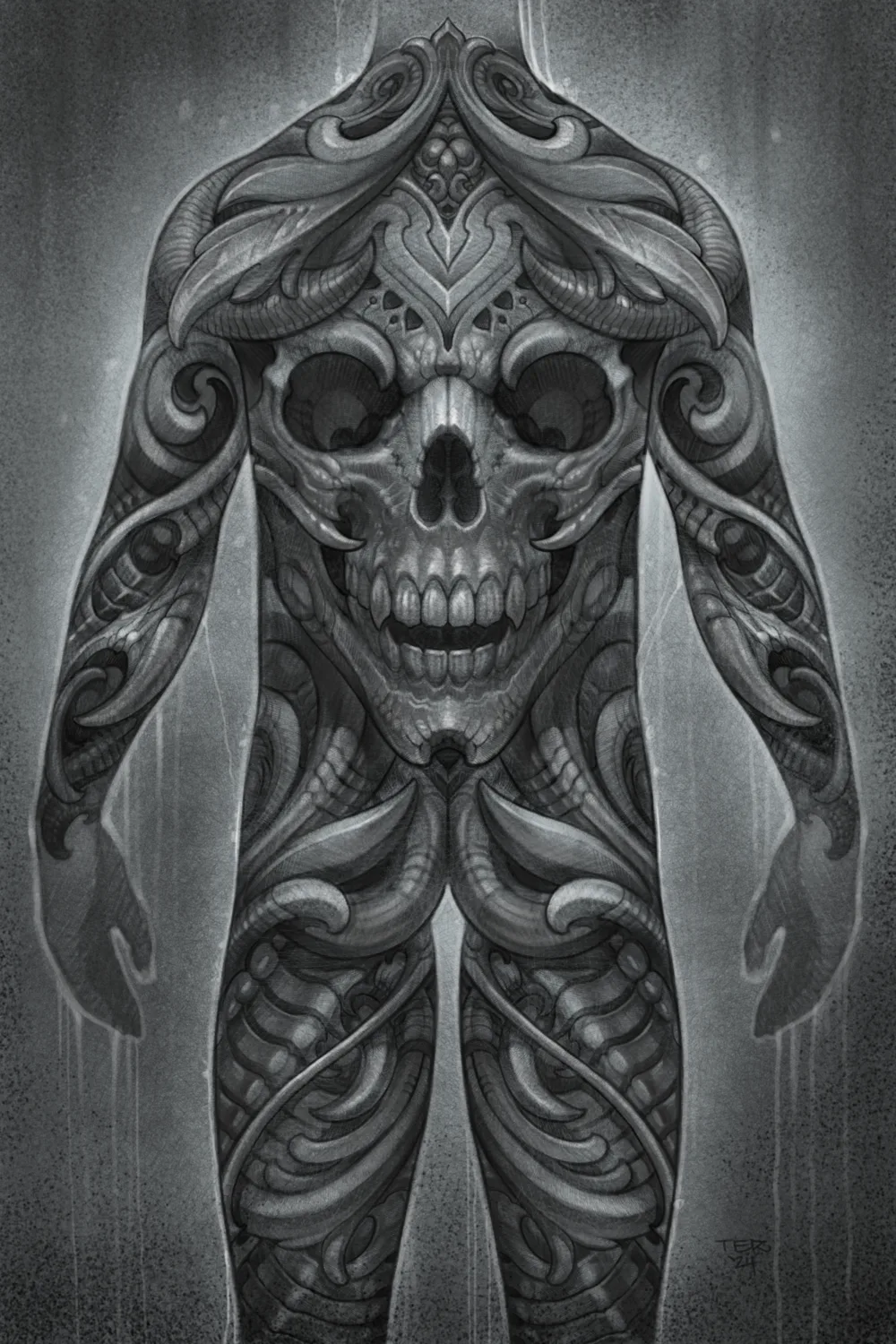
Fitting the body — possibly the most important aspect of all. We all like different kinds of art: some more abstract, some more realistic, some more ornamental. Design is everything.
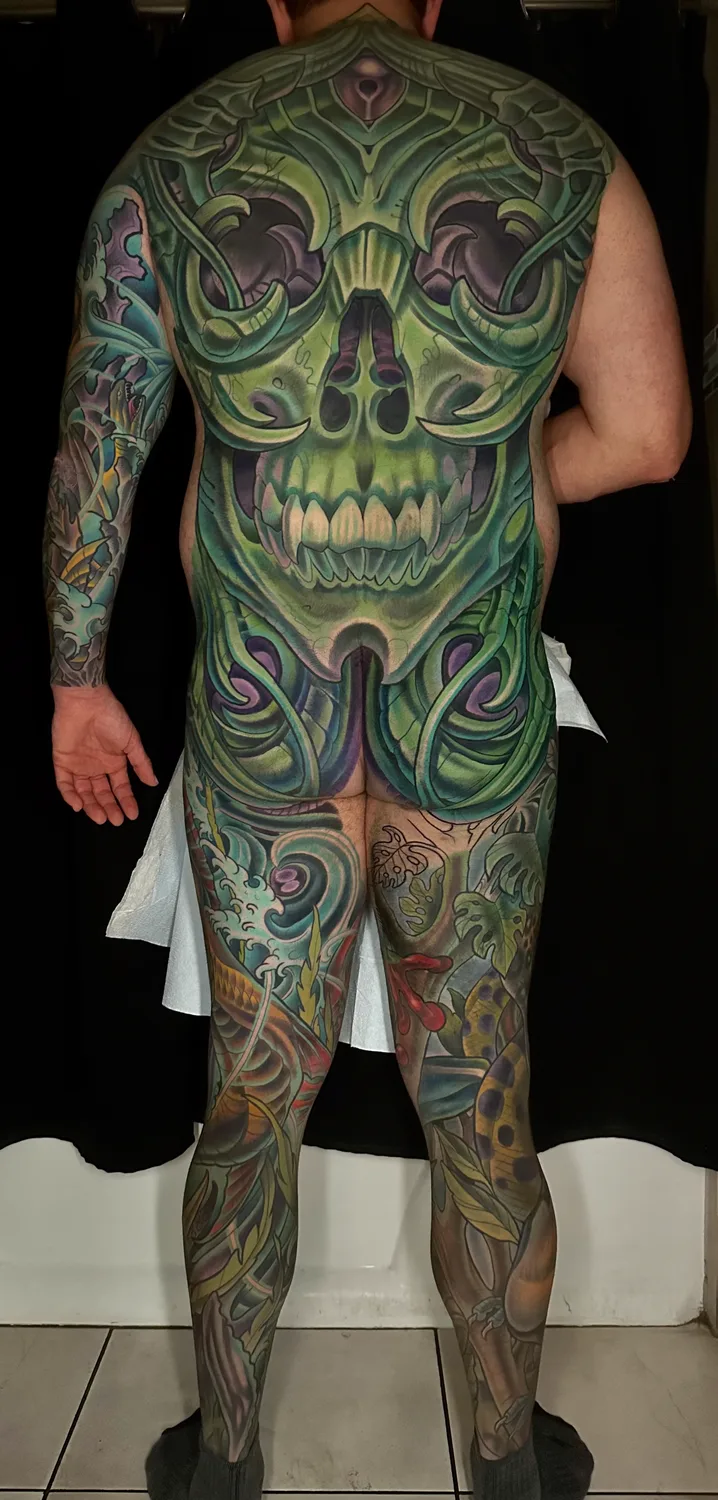
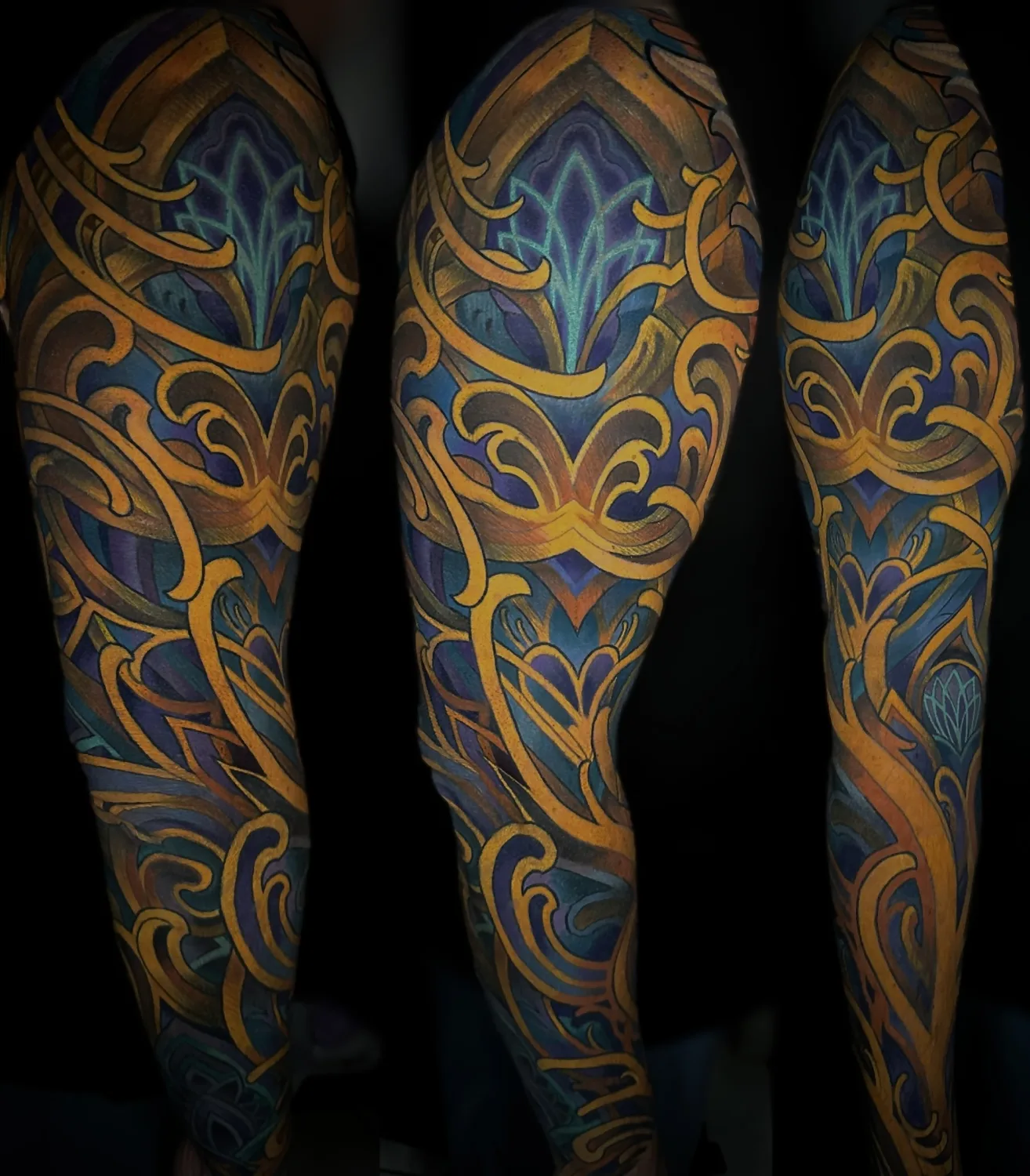
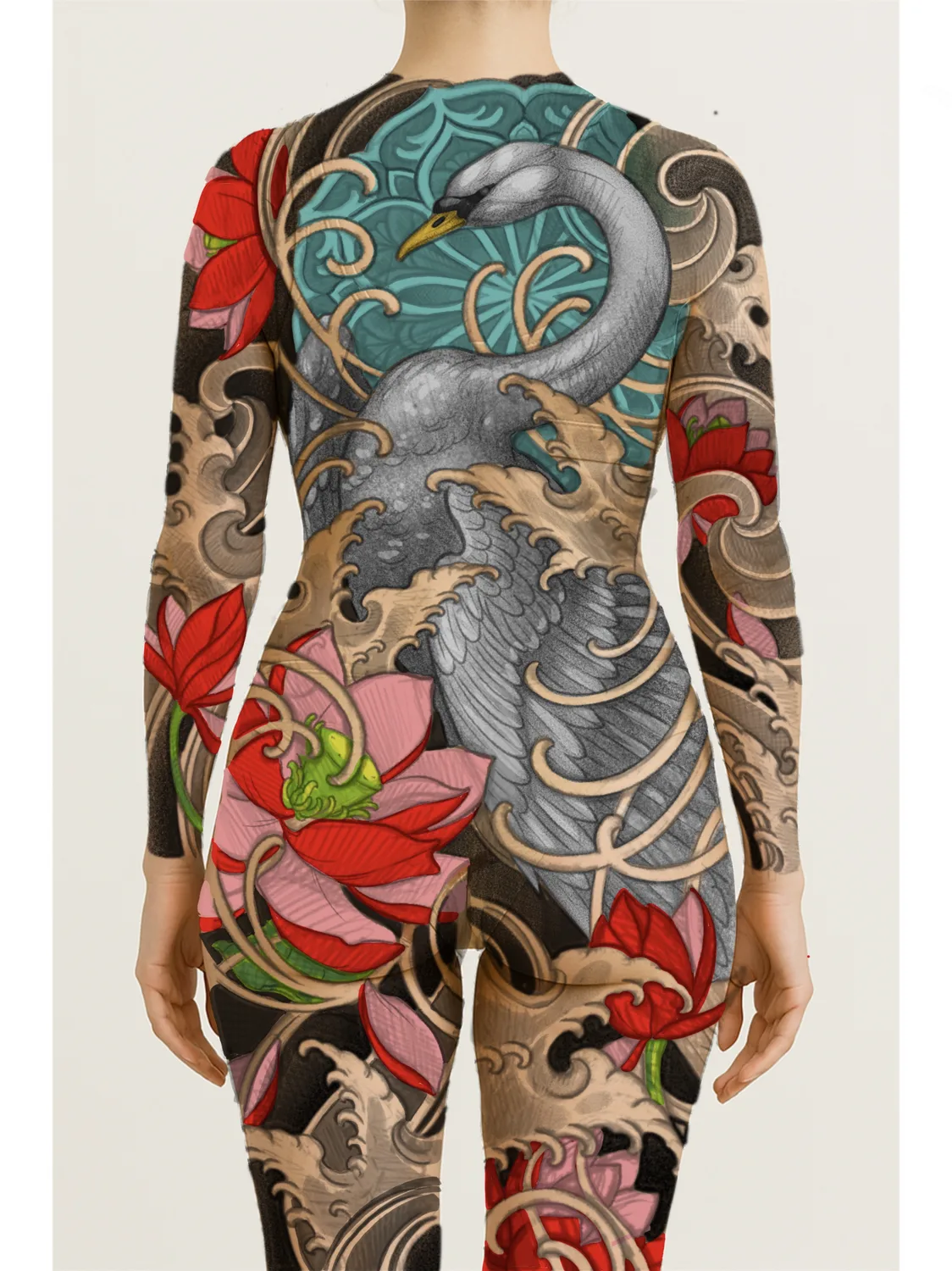
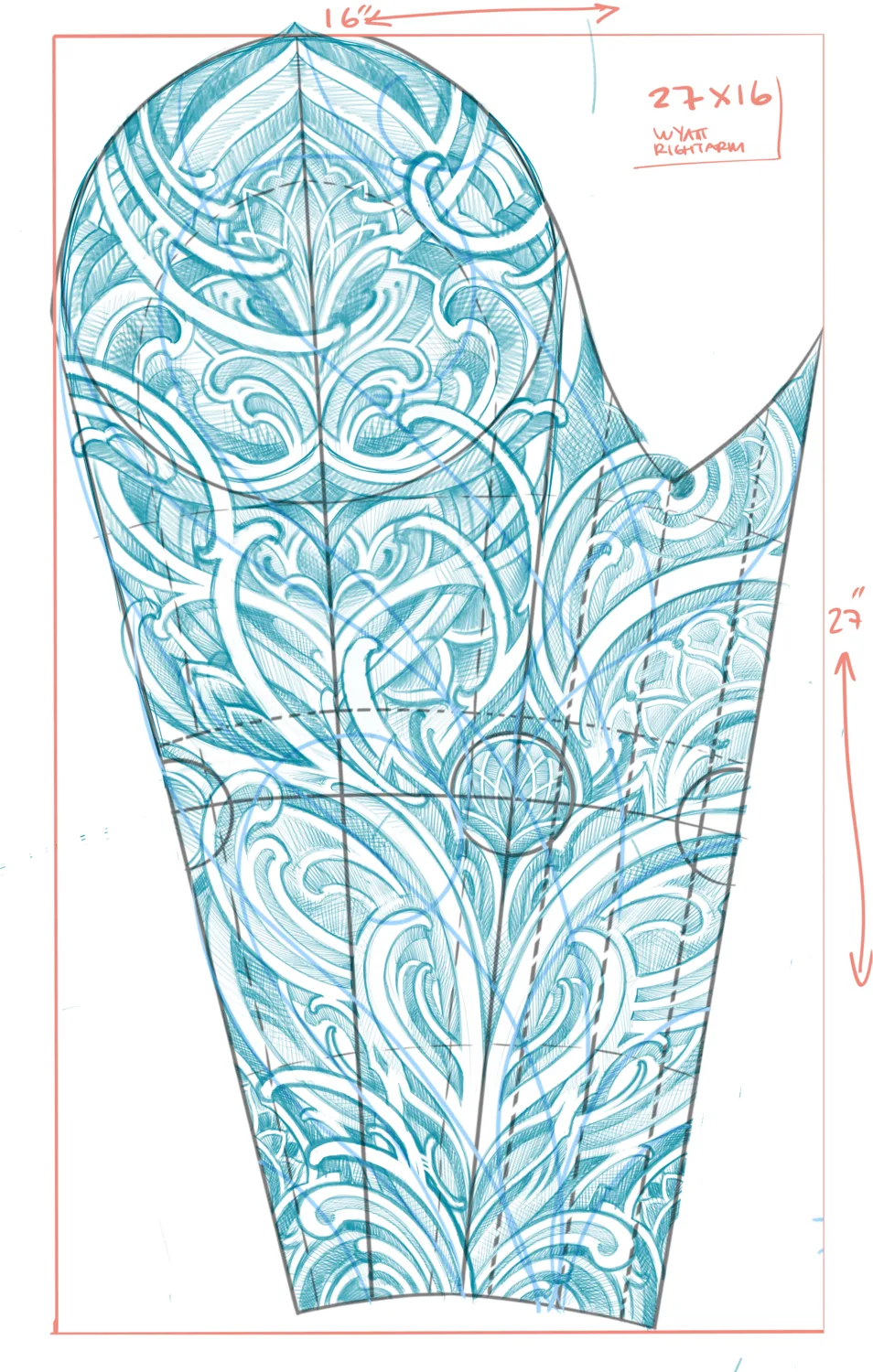
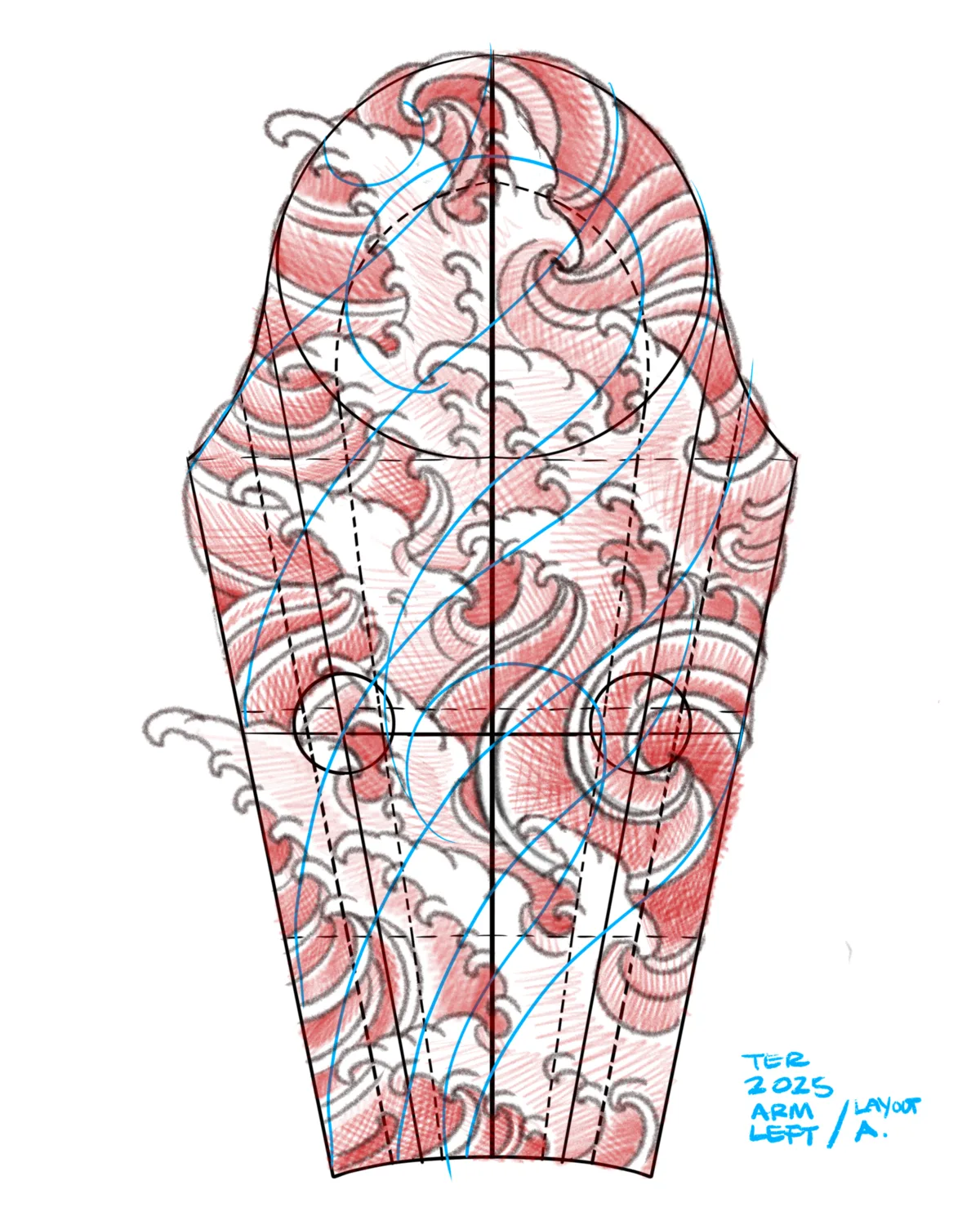
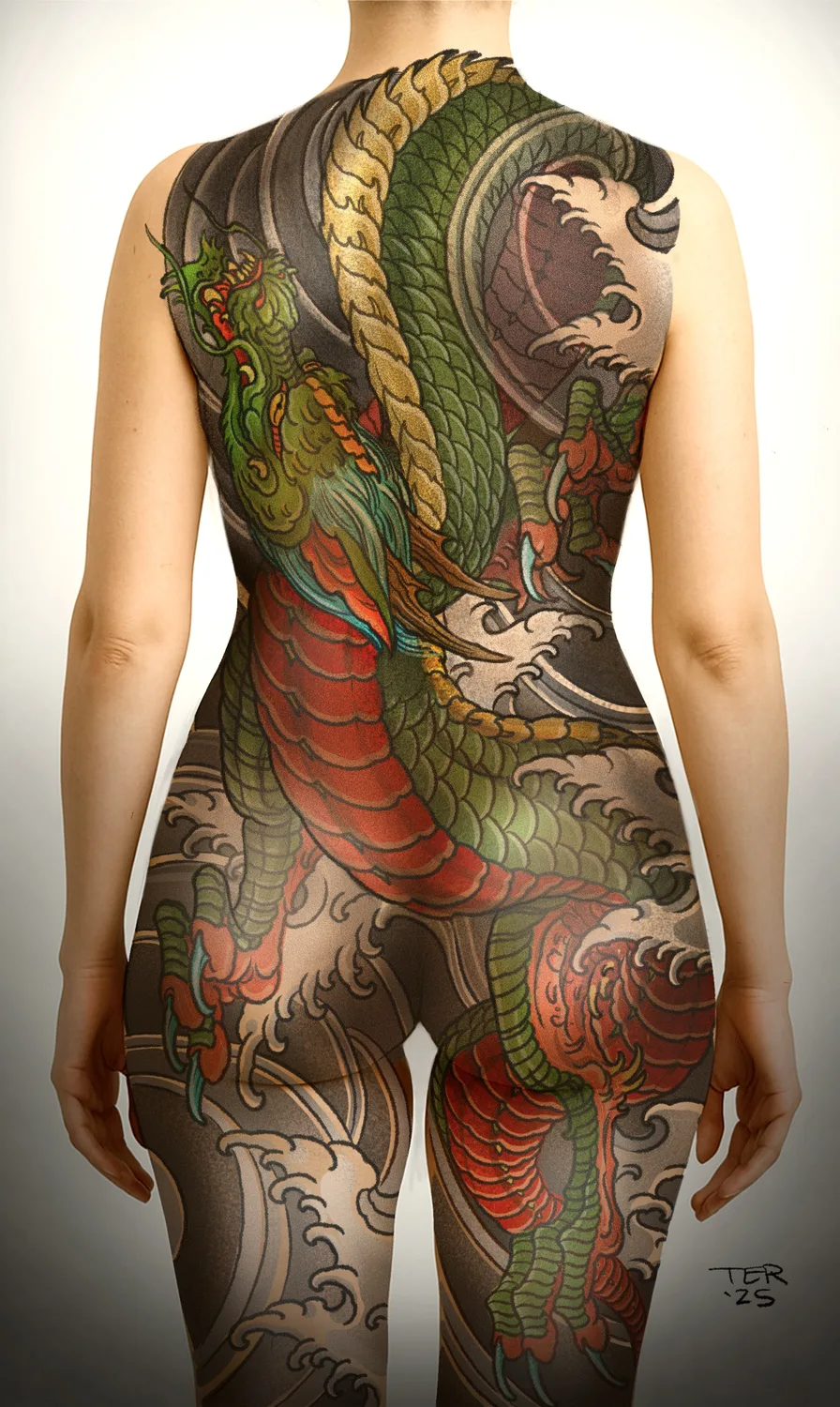
When I look at a tattoo — especially a large, well-thought-out body of work — it's designed with the body as the guide. The goal is to celebrate the body: to enhance what's already there, to respect the shapes that exist, and to move organically over the anatomy. A person's musculature tells us what to do. I personally follow rhythm lines, French curves, and a more Art Nouveau approach to my design — the idea being that everything follows an organic, rhythmic, organized path that wraps from the back of the body toward the front. A good tattoo is built on long, diagonal S-curves that reach naturally around and through the body and limbs.
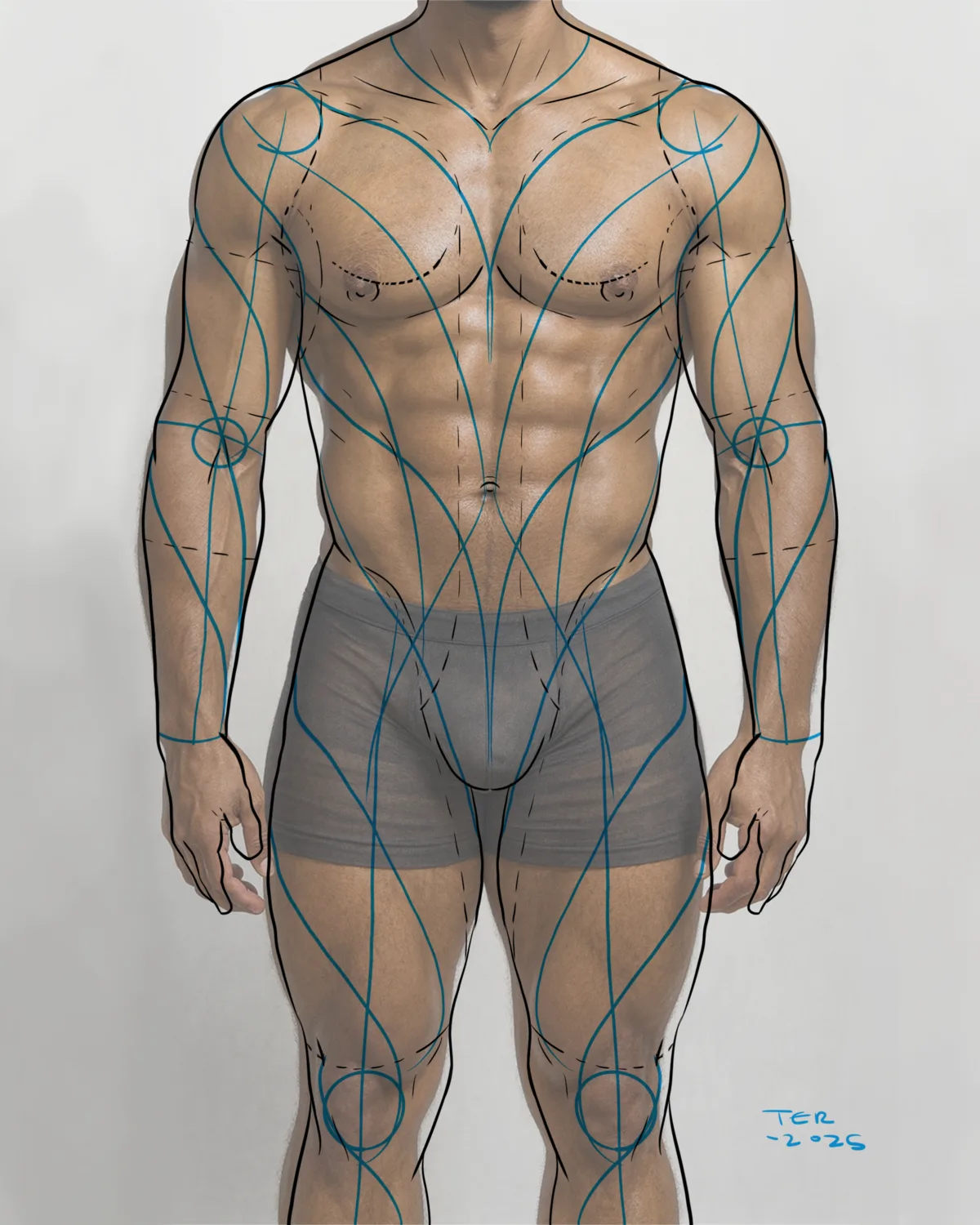
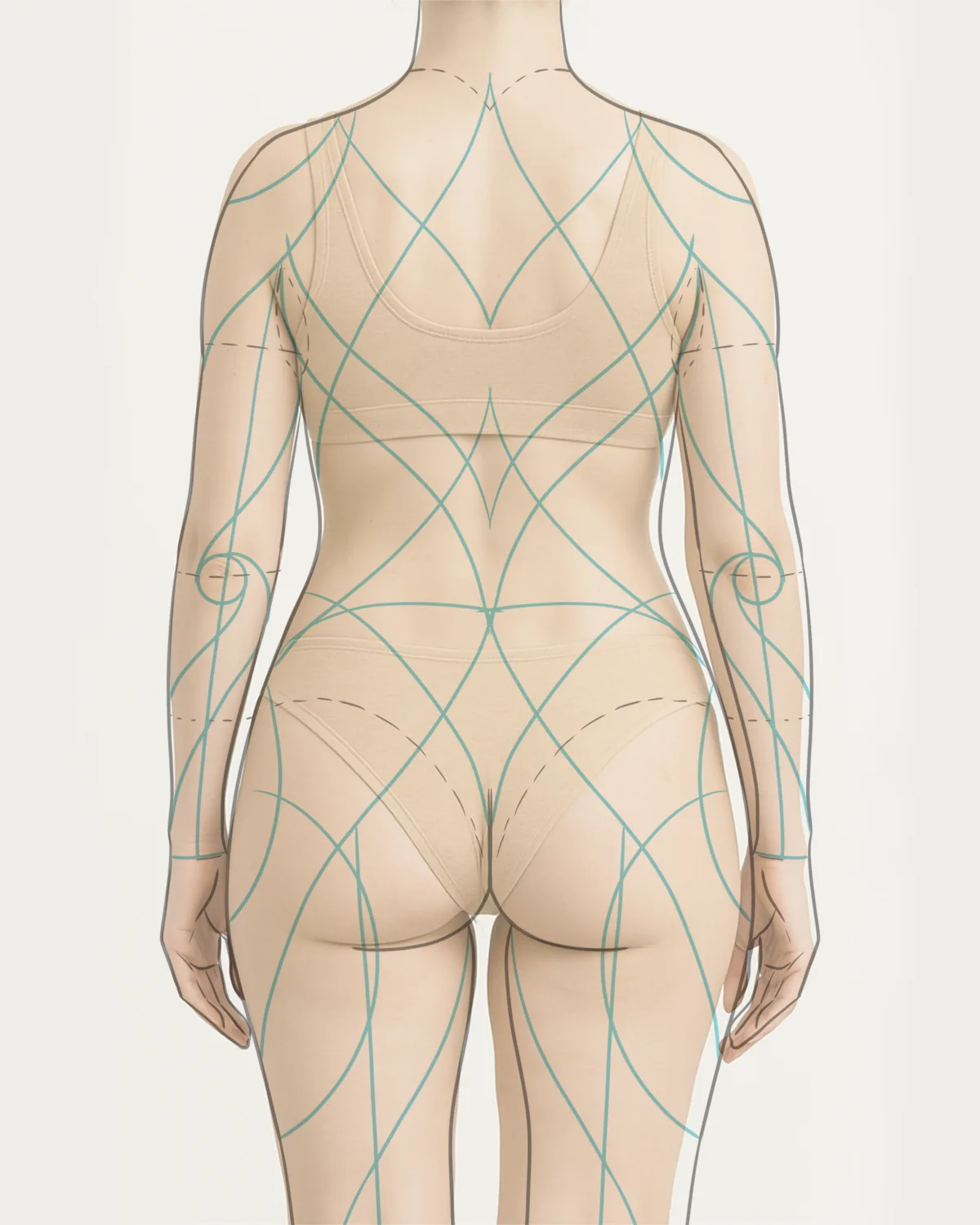
The body is already beautiful. I don't want to destroy the canvas — I want to work with it. I want my work to read as one consistent image across a person at every stage of their collection. In an ideal world, everyone would plan a full body suit correctly right from the start, but that's not practical or realistic to expect. What I can do to protect people from poor design choices is keep that bigger picture in mind no matter the size of the tattoo.
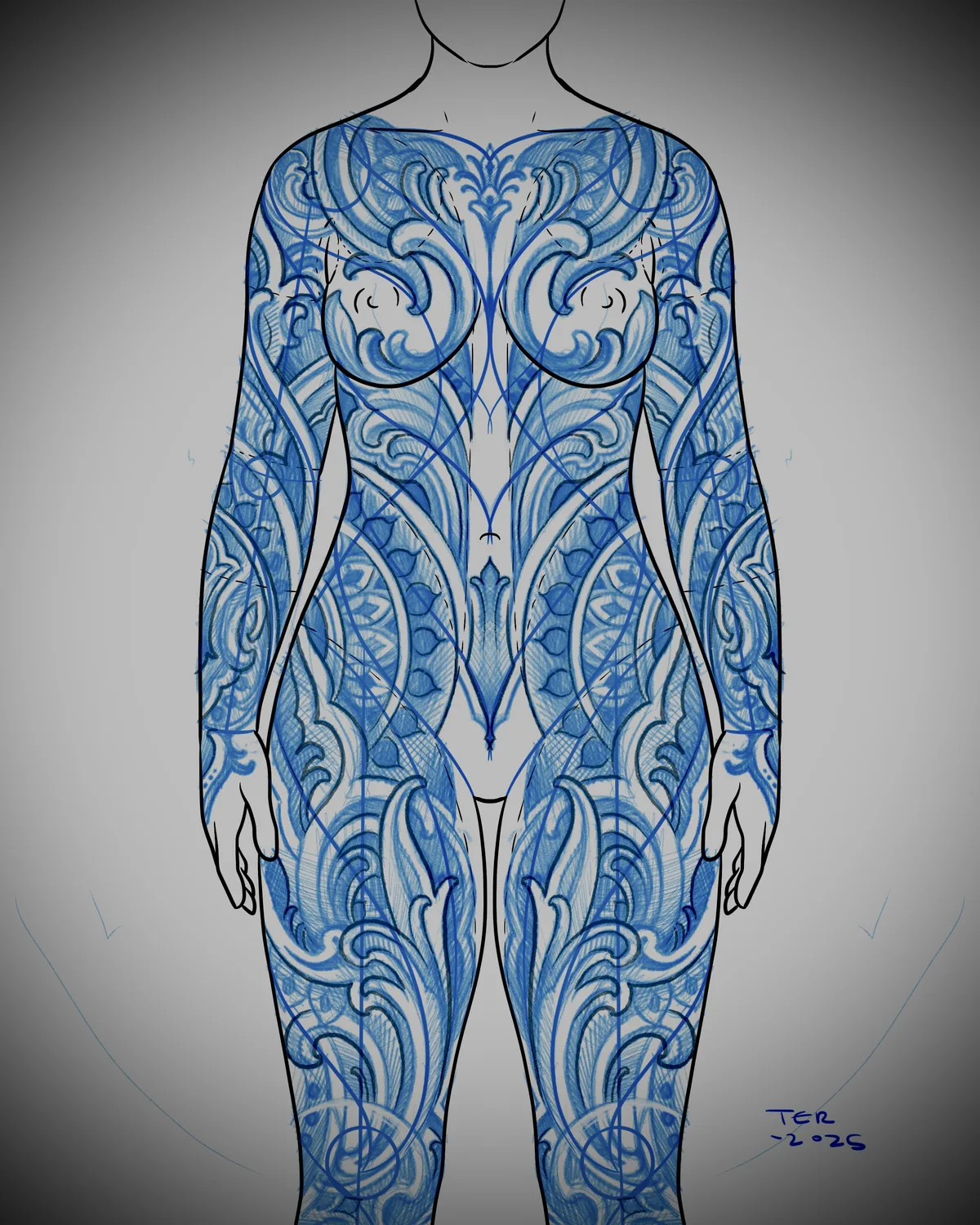
When someone asks me to tattoo them, I imagine I'm designing everything — even if all they're getting is a five-inch piece. I ask myself: will this still work in the context of a sleeve? So keep your smaller tattoos simple and bold; they'll fit the larger work you may choose later. If you're getting larger work, don't get a half sleeve — get the sleeve. If you know you're going to do your forearms, do it right. It will make your arm read as one dynamic, intentional composition, instead of two halves that end up overly complicated and confusing.
Remember: a good design looks like it's part of you — not a random bumper sticker slapped on without intention.
Choose brilliance
These are my thoughts on what makes a great tattoo artist. There is no true "best," because we all love different kinds of art. But I do believe there are objectively good tattoos and good tattoo artists — and there are people making tattoos without a clue. If you're the client, choose brilliance. You deserve it.
— Terry Ribera, custom tattoo artist and founder of Remington Tattoo, San Diego. Tattooing since 2000.