The short version
- A lower hourly rate does not mean a cheaper tattoo. Total cost is rate multiplied by hours.
- An efficient artist can finish a piece in 20 hours that takes another artist 30. At that point the cheaper rate costs more.
- Ask how many hours the artist estimates and how many appointments, not just what they charge per hour.
- Roughly a third of my client work involves covering or reworking existing tattoos. A cover-up is always larger and always more hours than the piece it replaces.
- My rate is $250 an hour, billed only for time on skin. Real hours and totals from completed projects are on the pricing page.
Every week someone tells me they've been quoted $150 an hour somewhere else, as though that settles it. It doesn't settle anything. It's half of a calculation nobody finishes.
The number that leaves your bank account is rate multiplied by hours. Artists advertise the first half of that equation constantly and the second half almost never, which is strange, because the second half is the one that varies enormously.
The arithmetic nobody does
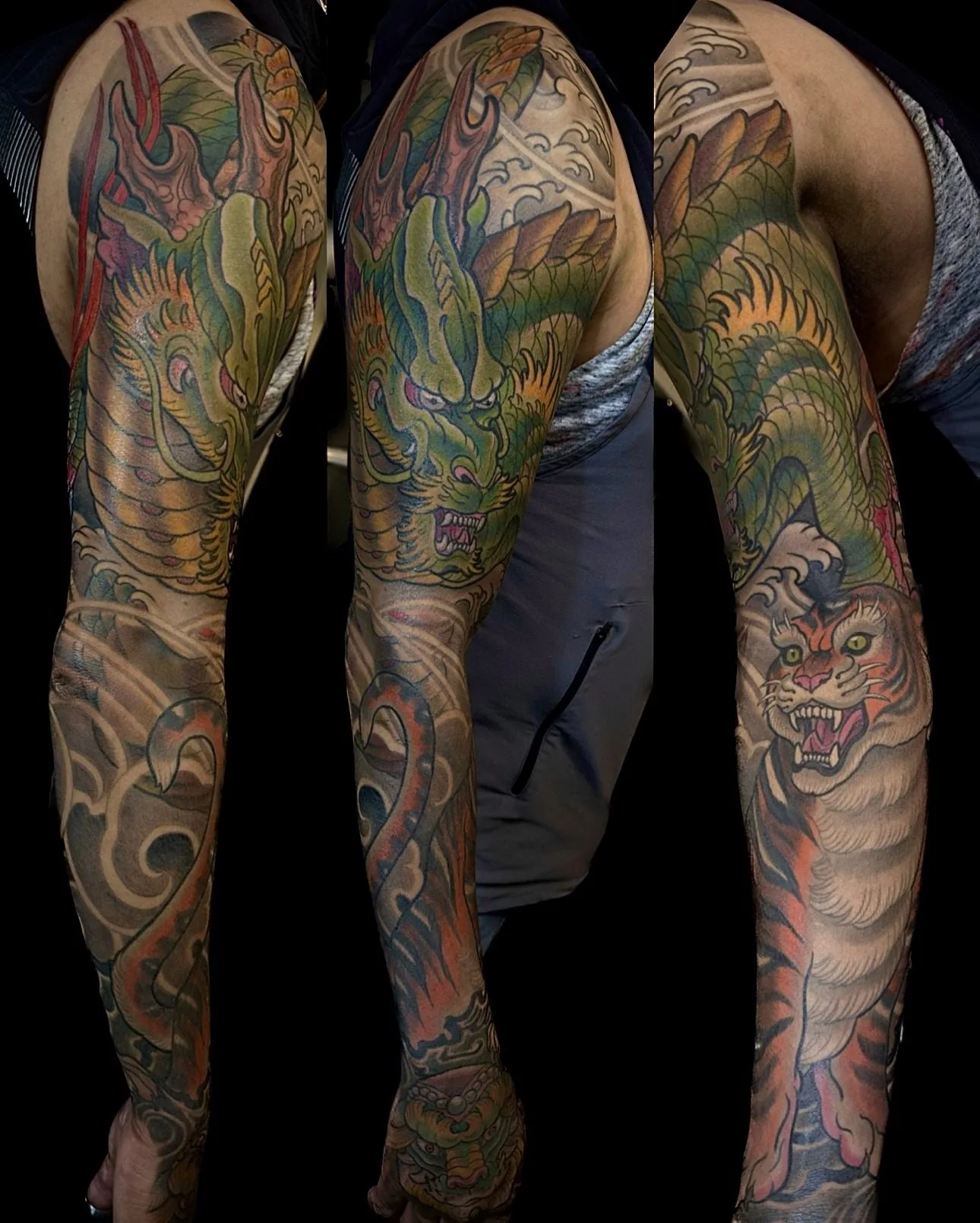
Say you're getting a full color arm sleeve. It takes me around twenty hours, spread across six or seven appointments. At my rate that's about $5,000.
Now take the same sleeve at $150 an hour with an artist who needs thirty hours to get there. That's $4,500 — and you sat for ten extra hours of needle time to save five hundred dollars.
Push it slightly. Thirty-five hours at $150 is $5,250, and now the "cheaper" artist costs more and took fifteen hours longer. None of this is hypothetical; those hour counts are ordinary variation between artists working on the same piece.
Where the hours actually go
Efficiency isn't speed. I don't rush, and fast is only a virtue if the saturation and the linework hold up in twenty years.
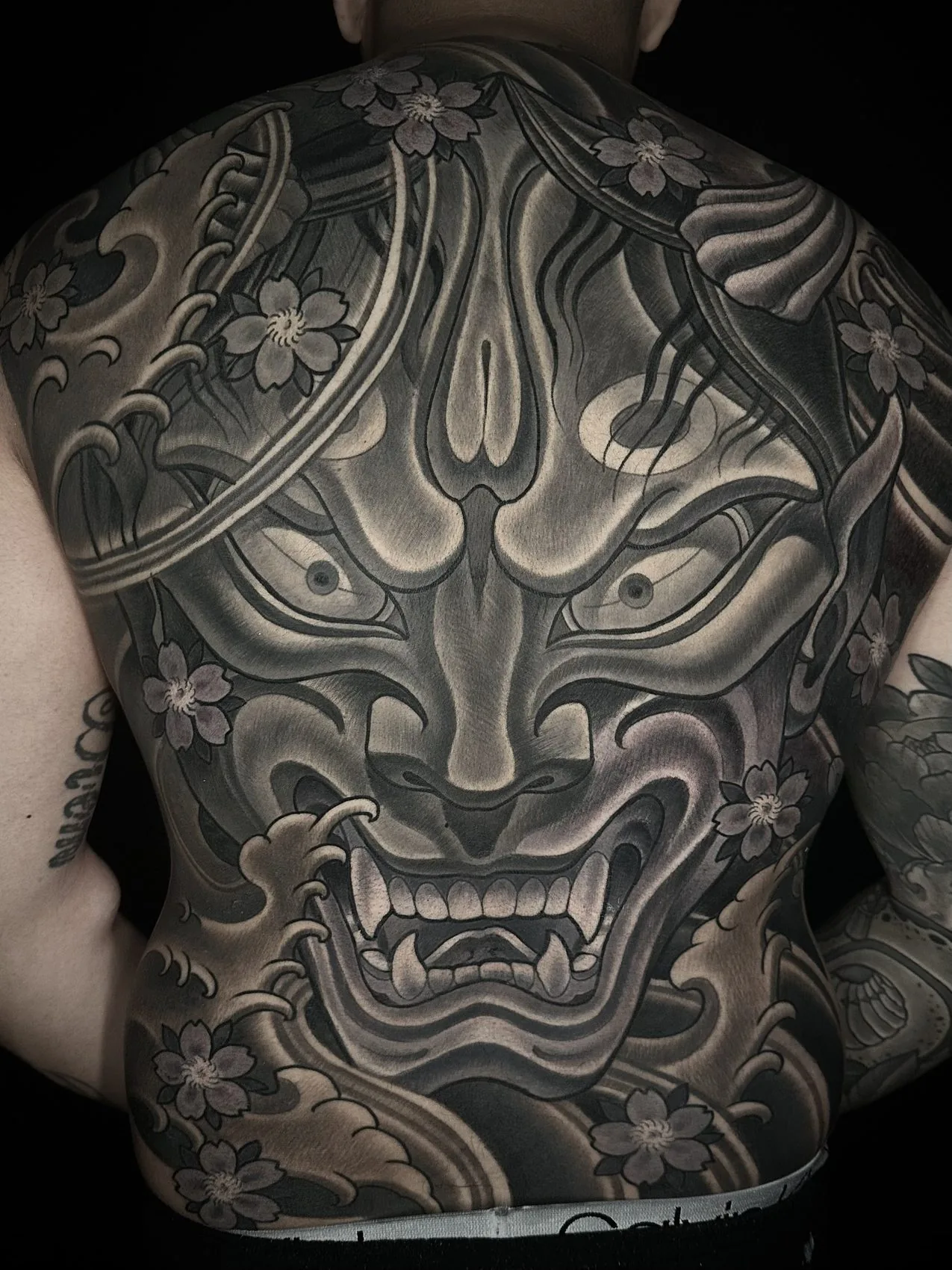
What it comes from is knowing exactly what I'm doing before the needle touches skin. That's mostly a function of the drawing. Every piece I make starts with a black base — linework and shadow established first, before any color or lighter value goes in. Building that structure up front means I'm not solving problems in the chair while you're sitting in it.
It also comes from twenty-five years and something like 24,000 hours of tattooing. One of my clients put it more bluntly than I would: an hour of my time is worth about three of most artists'.
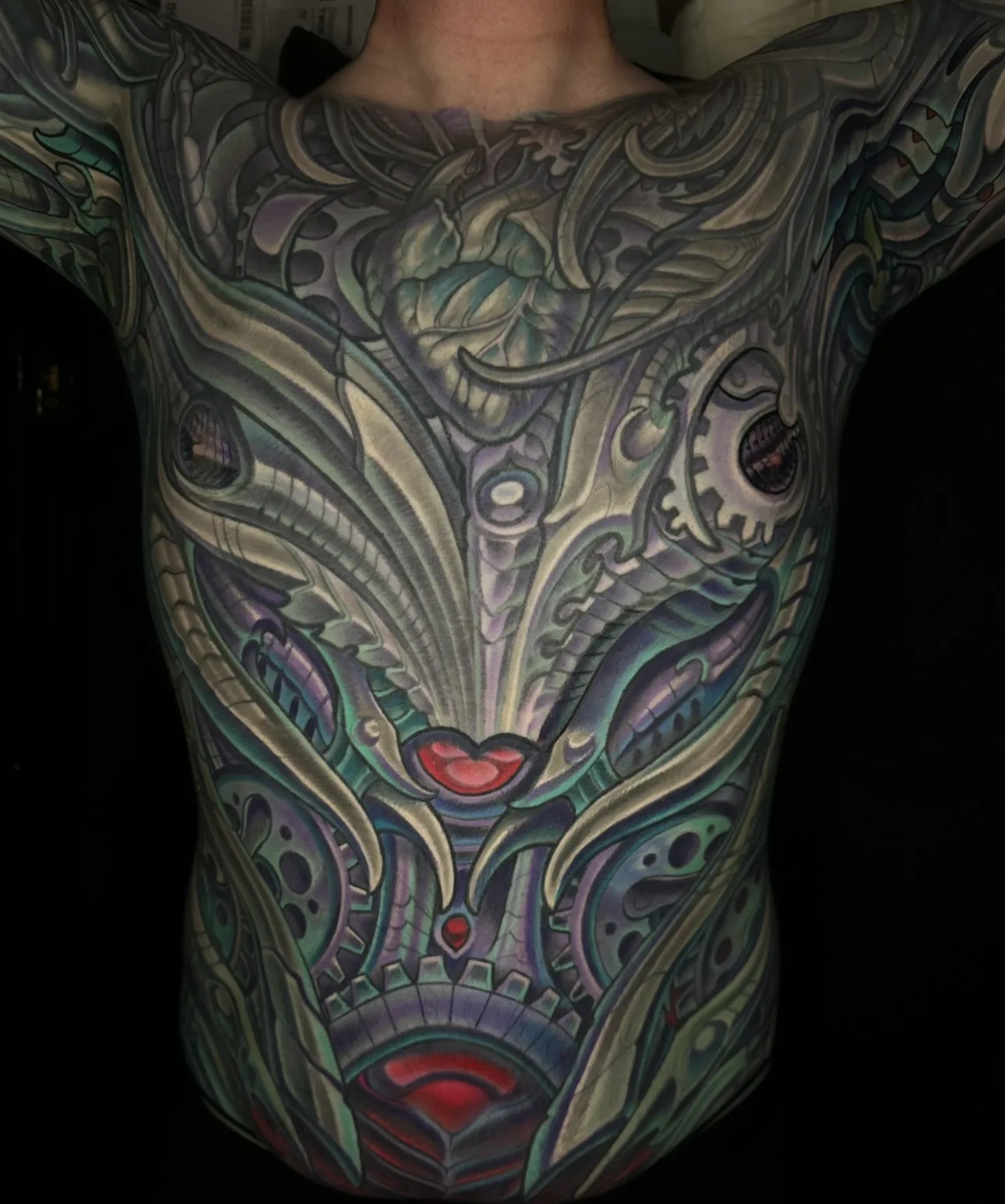
The corollary is that hours go up when the work gets denser or covers more ground. Two of the sleeves on my pricing page run past twenty hours — one carries onto the hand, the other into a half chest panel. That's scope, not slowness, and it's why an honest estimate has to account for what you actually want rather than a category name.
What to ask instead
If you're comparing artists, the rate tells you very little on its own. These four questions tell you almost everything:
- How many hours do you estimate for this piece? An artist who's done the work before can answer within a few hours. An artist who can't is telling you something.
- How many appointments, and how far apart? This is the real commitment. A sleeve at six or seven sessions spread over months is a very different life than a vague open-ended arrangement.
- What am I billed for? I bill only for time on skin. Not everyone does.
- Is drawing time charged separately? Mine isn't a separate line item — it's covered by the retainer.
Any artist worth sitting for can answer all four without hesitating.
The expensive part of a cheap tattoo
Roughly thirty percent of my client work involves covering or reworking existing tattoos. Almost none of those people set out to buy a tattoo they'd need to fix.
A cover-up is always bigger than the piece it replaces, always more heavily saturated, and always more constrained — the old design dictates what the new one can be. More hours, less freedom, and you've now paid twice.
That's the actual arithmetic of the cheaper option, and it doesn't show up on anyone's price list either.
What this looks like in practice
I publish the hours and totals from completed projects rather than a starting-at number, because a range without hours attached isn't information. A full color arm is typically around twenty hours; a leg is closer to thirty, across nine or ten appointments. Back pieces and panels vary with coverage and whether they're color or black and grey.
All of it is approximate — every project is different, and yours will depend on scale, rendering, and how dense the design is. But approximate with real numbers behind it beats precise-sounding and meaningless.
Is a lower hourly rate cheaper overall?
Not necessarily. Total cost is the hourly rate multiplied by the number of hours. An artist charging $150 an hour who needs thirty hours for a sleeve costs $4,500; an artist charging $250 who needs twenty costs $5,000 — and the second sleeve took ten fewer hours of sitting. Compare estimated totals, not rates.
How many hours should a full sleeve take?
A full color arm sleeve typically takes me around twenty hours across six or seven appointments. A leg is closer to thirty, across nine or ten. Bold or black-and-grey designs can finish faster; dense illustrative color, or work that carries onto the hand or chest, runs longer.
What questions should I ask a tattoo artist about price?
Ask how many hours they estimate for your piece, how many appointments that means, what exactly you're billed for, and whether drawing time is charged separately. Those four answers tell you far more than the hourly rate alone.
Why do cover-ups cost more?
A cover-up has to be larger, darker and more heavily saturated than the tattoo underneath it, and the existing design limits what the new one can be. More hours and less design freedom. Around thirty percent of my client work involves covering or reworking existing tattoos.
Keep reading
Real hours and totals from completed sleeves, back pieces and bodysuits — with photos of each project — are on the pricing page. If you're weighing when to start, the case for starting in the fall covers the timing side.
See pricing and completed work